 CubNestoNurturing Every Milestone with Expert CareCubNestoNurturing Every Milestone with Expert Care
Becoming a mother is a life-changing experience, but recovery after childbirth is often overlooked. Families spend months preparing for delivery, buying baby essentials, and decorating the nursery but very few prepare for what happens after the baby arrives.
The truth is that every new mother deserves a recovery plan, not just well-meaning advice.
Whether you've had a normal delivery or a C-section, the first 40-45 days after childbirth are a critical period for healing, breastfeeding, emotional wellbeing, and bonding with your newborn. Having the right support during this time can make recovery smoother, reduce stress, and help both mother and baby thrive.
New mothers hear countless suggestions every day:
Although these tips come from love and experience, they don't solve the daily challenges of postpartum recovery.
A recovering mother still has to feed the baby every few hours, manage sleepless nights, heal from delivery, maintain hygiene, prepare nutritious meals, and cope with hormonal changes. This is where a structured recovery plan becomes essential.
Instead of expecting mothers to "figure it out," families should focus on providing consistent physical, emotional, and practical support.
Healthcare professionals often refer to the postpartum period as the Fourth Trimester because a mother's body continues healing long after delivery.
During this period:
At the same time, newborns require constant feeding, diaper changes, safe bathing, soothing, and around-the-clock attention.
Without adequate support, mothers may experience:
A good recovery plan focuses on both mother and baby instead of only household responsibilities.
Recovery begins with allowing the mother's body to rest and heal properly.
Support may include:
For mothers recovering from surgery, a Japa maid for C-section recovery can assist with newborn care and daily routines, allowing mothers to focus on healing without unnecessary physical strain.
Postpartum nutrition directly impacts recovery and breastfeeding.
Traditional recovery meals often include:
These foods help improve energy, support tissue repair, and encourage healthy milk production.
Breastfeeding is a learning journey for both mother and baby.
Many mothers need guidance with:
A trained Japa maid for postpartum care can provide non-clinical assistance by helping mothers maintain feeding routines, assisting with positioning, and ensuring both mother and baby remain comfortable during feeding sessions. This practical Japa maid for breastfeeding support allows mothers to build confidence during the early weeks.
Newborn care requires patience, experience, and consistency.
Daily support may include:
Many families choose a Japa maid for newborn care at home because experienced caregivers help maintain a safe routine while allowing parents to spend more quality time bonding with their baby.
Motherhood is emotional as well as physical.
Many women experience:
Having someone reliable to assist with daily responsibilities gives mothers the opportunity to rest, recover, and feel emotionally supported during one of life's biggest transitions.
Traditionally, grandmothers and extended family members cared for new mothers after childbirth. Today, many families live in nuclear households or away from relatives, making professional postpartum support increasingly valuable.
A Japa maid offers structured, non-clinical assistance that combines traditional caregiving practices with modern hygiene standards. Families benefit from organized daily routines while mothers receive the attention they deserve during recovery.
For families in Delhi NCR, hiring a Japa maid at home in Noida has become a trusted solution for balancing newborn care with postpartum recovery.
Professional postpartum support is especially helpful for:
A Japa maid for first time mothers provides reassurance, practical guidance, and hands-on support that helps reduce stress during the early weeks of parenthood.
A recovery plan doesn't only help mothers. It benefits the entire family by:
Professional Japa maid and baby care services ensure that families can focus on enjoying precious newborn moments instead of feeling overwhelmed by daily responsibilities.
Preparing for childbirth is important but preparing for recovery is equally essential.
Every mother deserves proper nutrition, emotional support, practical assistance, and enough time to heal. A structured recovery plan helps mothers regain strength, establish breastfeeding, care confidently for their newborn, and enjoy the beautiful journey into parenthood.
The right support during the first 45 days can make a lasting difference for both mother and baby.
A Japa Maid is a trained postpartum caregiver who provides non-clinical support for new mothers and newborns during the first 30-45 days after childbirth. Services typically include newborn care, hygiene assistance, breastfeeding support, baby massage, and help with daily recovery routines.
Yes. A Japa maid for C-section recovery helps mothers reduce physical strain by assisting with newborn care and routine household support while the mother focuses on healing.
Absolutely. A Japa maid for first time mothers offers practical guidance, emotional reassurance, and assistance with newborn care, making the transition into parenthood smoother.
Yes. While not replacing medical advice or lactation consultants, a Japa maid for breastfeeding support can assist with feeding schedules, positioning, burping, and maintaining a comfortable feeding routine.
Leave your details and we'll call you right back.
Explore More
Explore more articles related to Postpartum Care
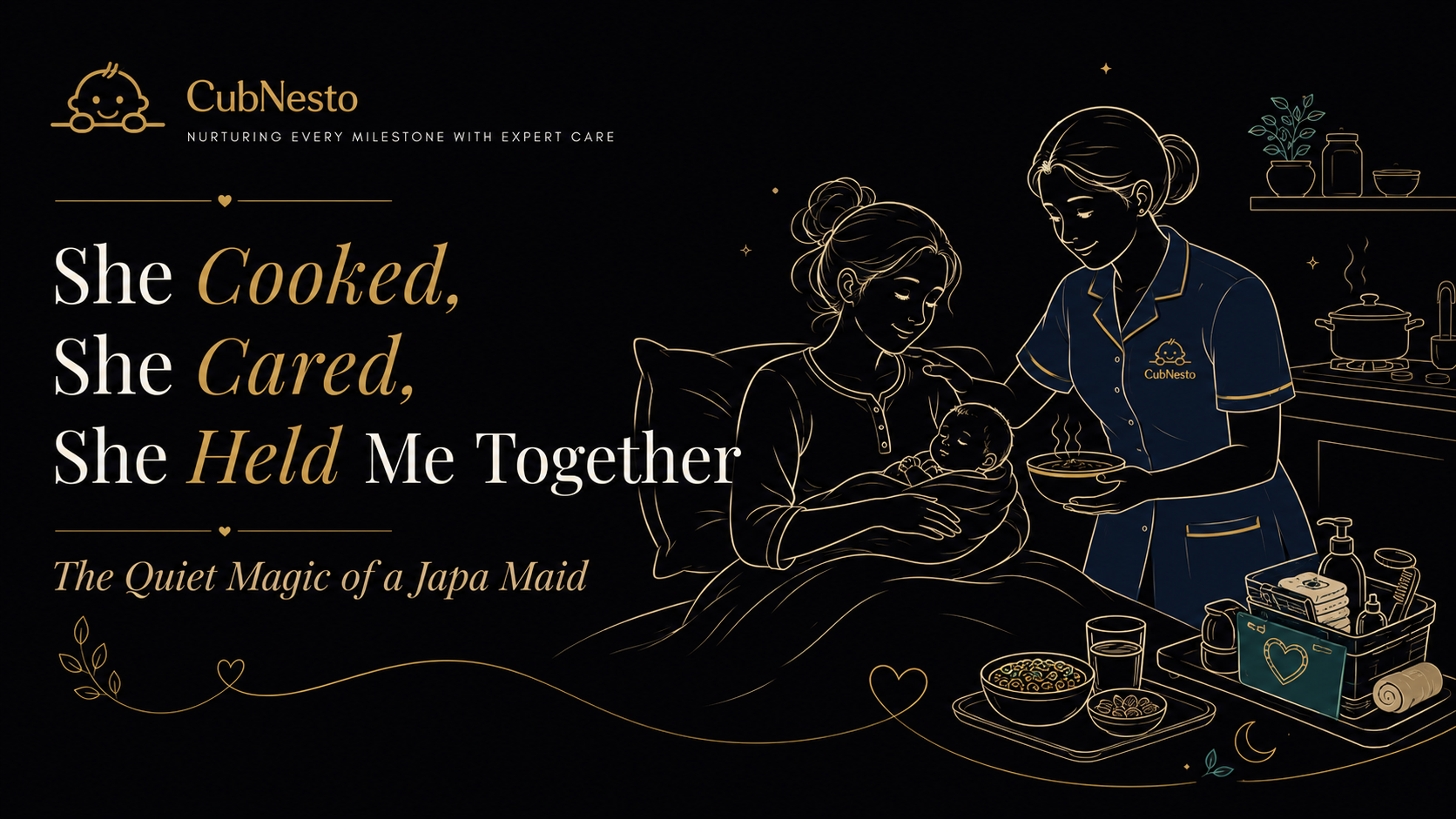 Japa Maid10 minJul 27
What the first 40 days truly feel like
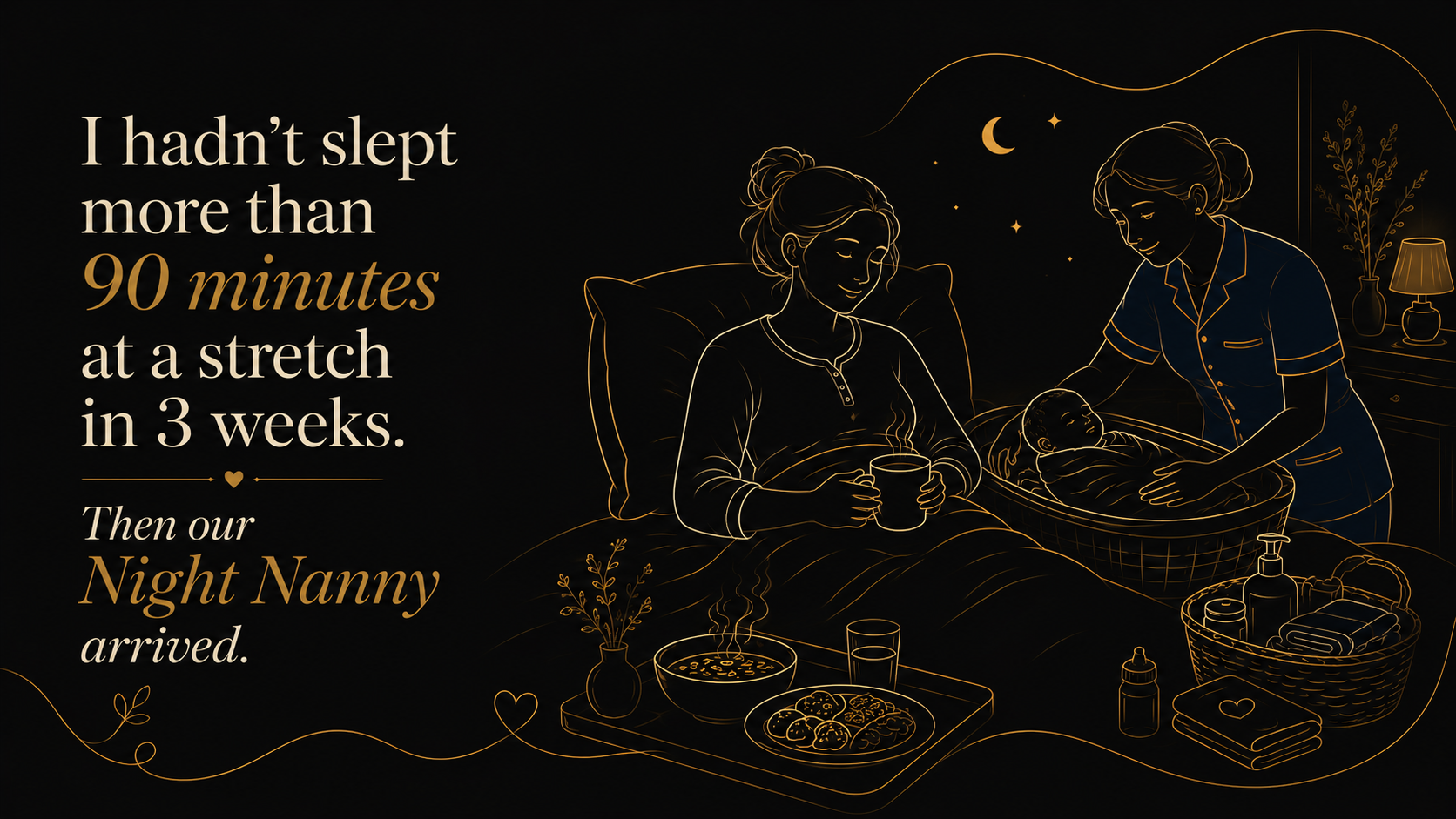 Night Nanny10 minJul 20
The truth about newborn sleep that nobody says out loud
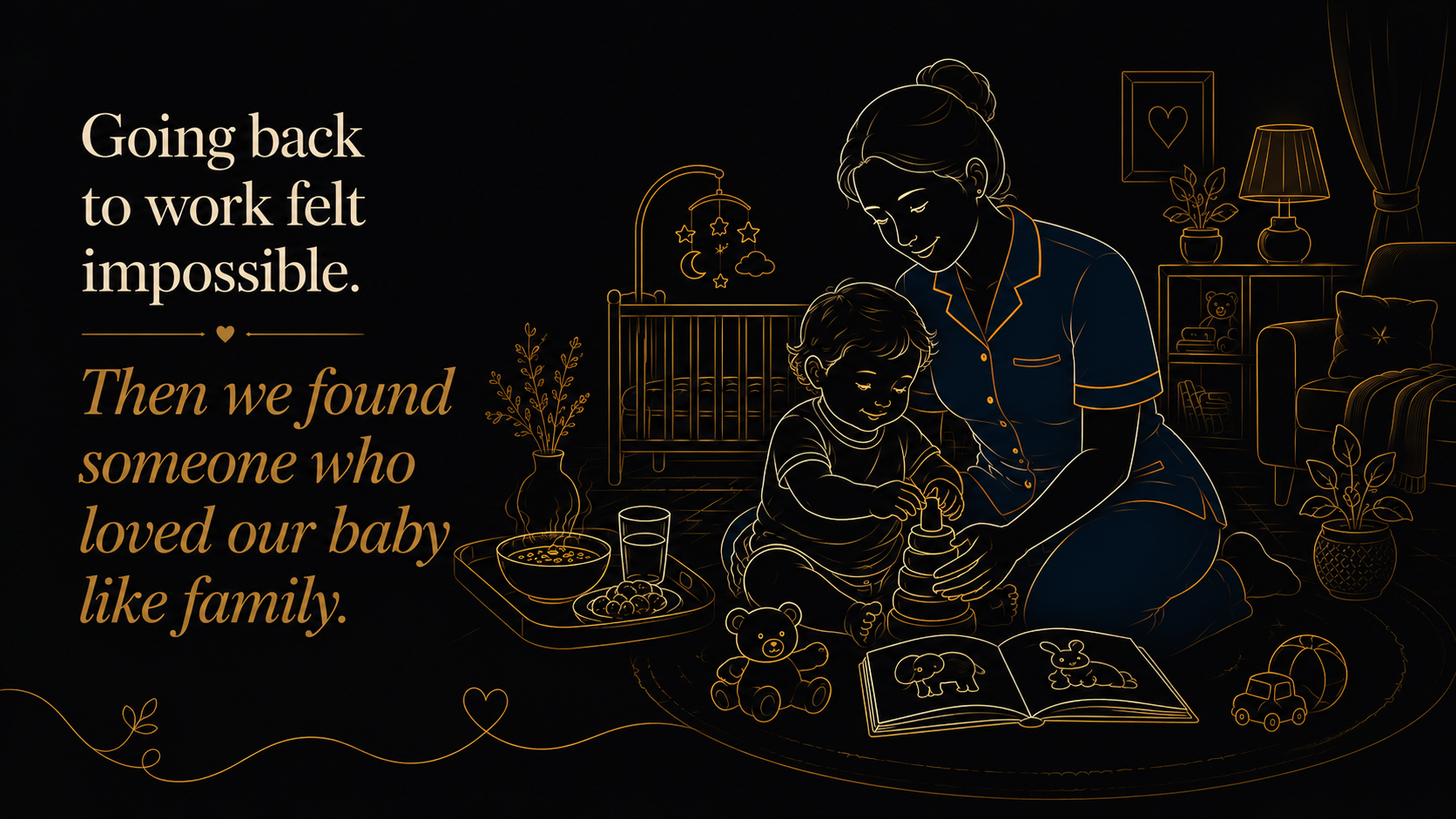 Nanny & Babysitter10 minJul 19
The guilt nobody talks about
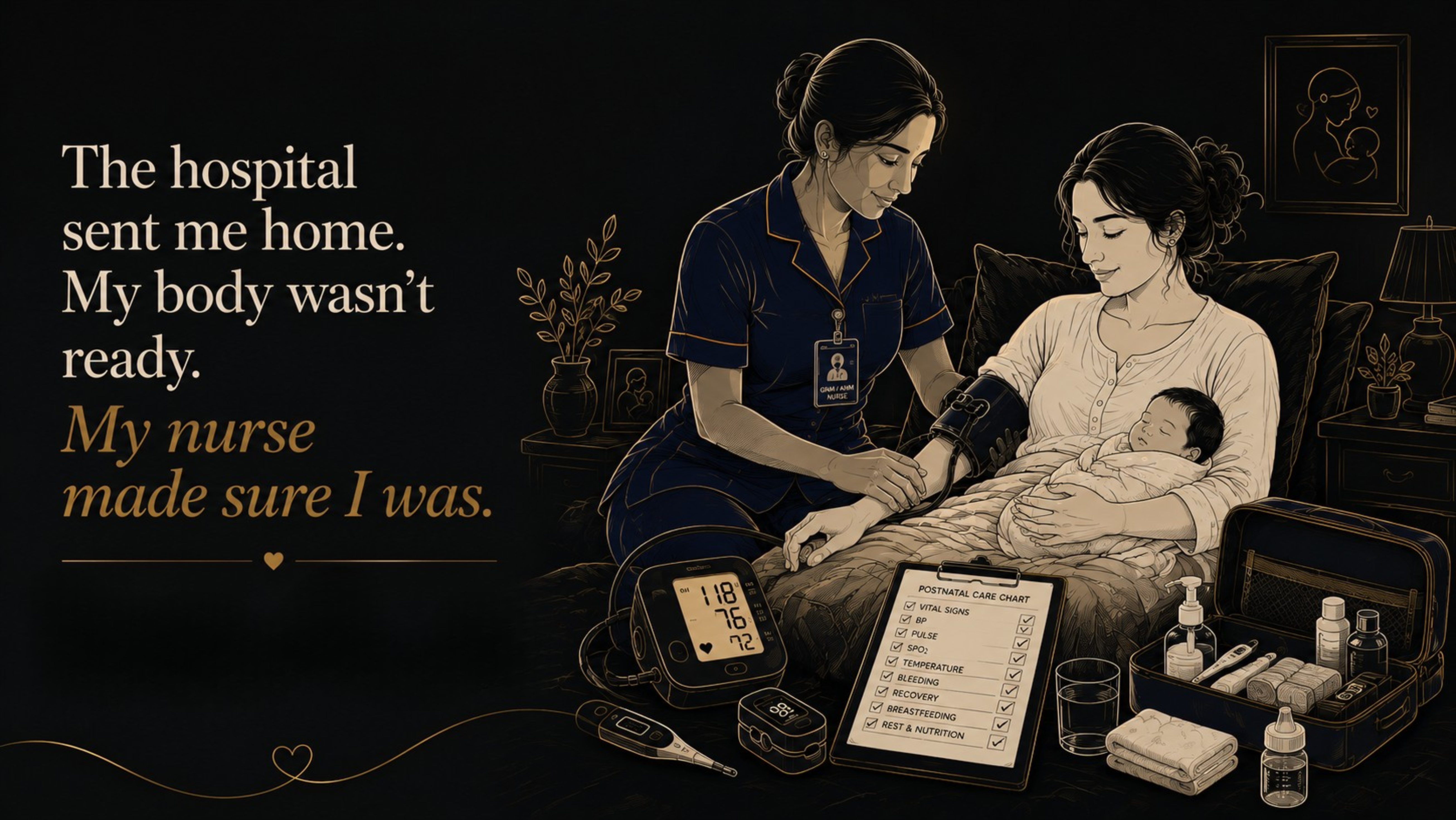 Postnatal Nurse10 minJul 20
When a standard caregiver isn't enough
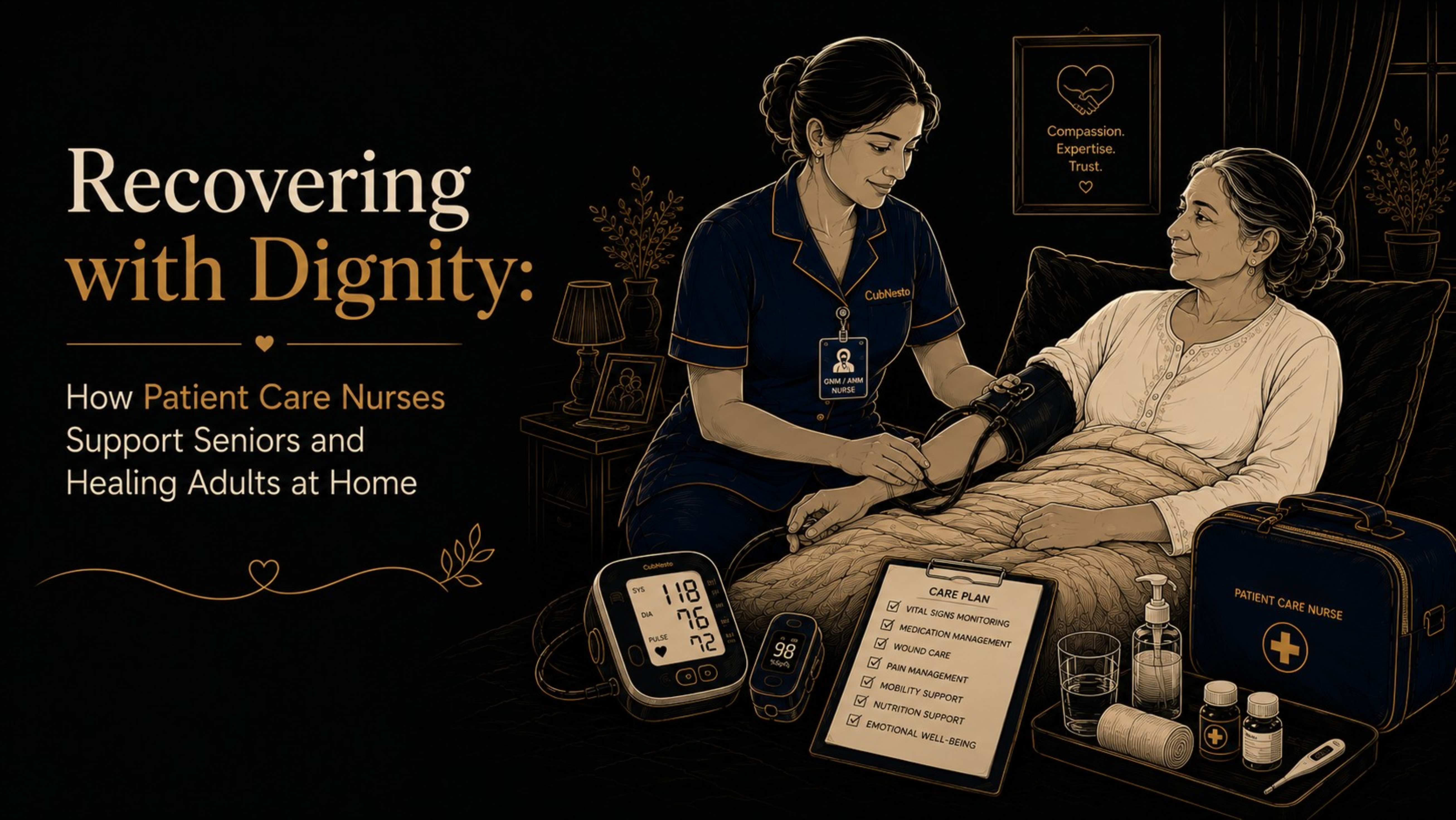 Patient Care Nurse10 minJul 16
Providing clinical expertise and daily assistance when your loved ones need it most.